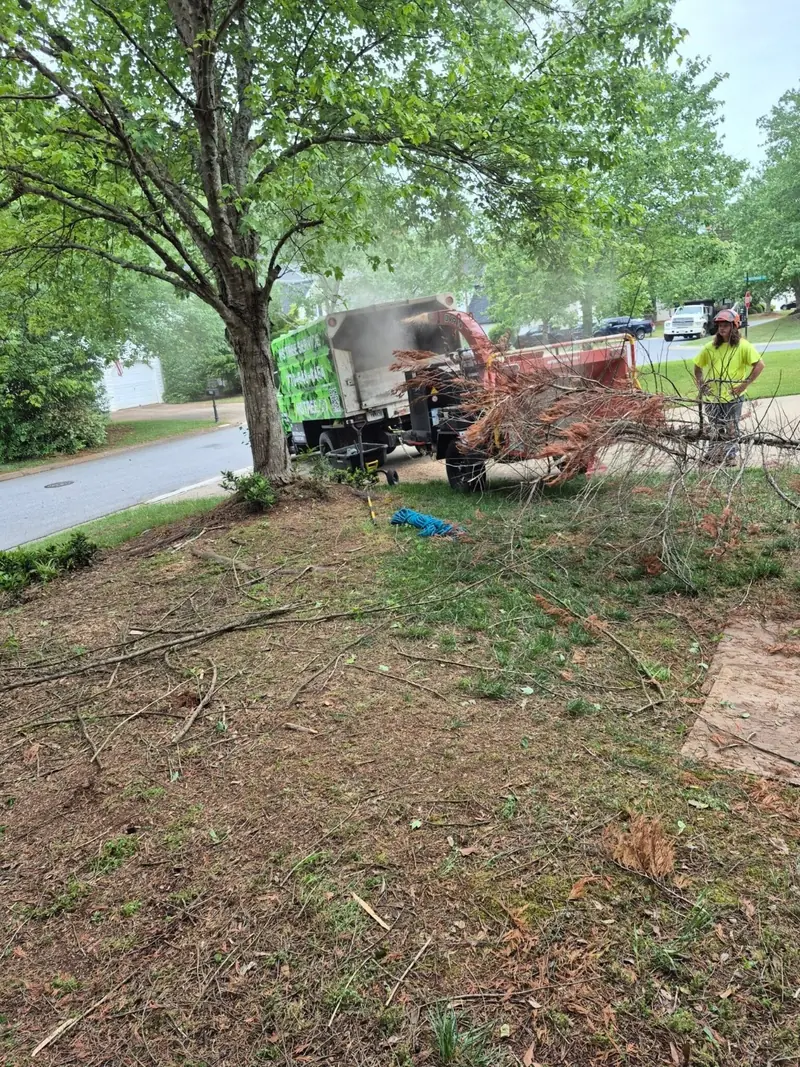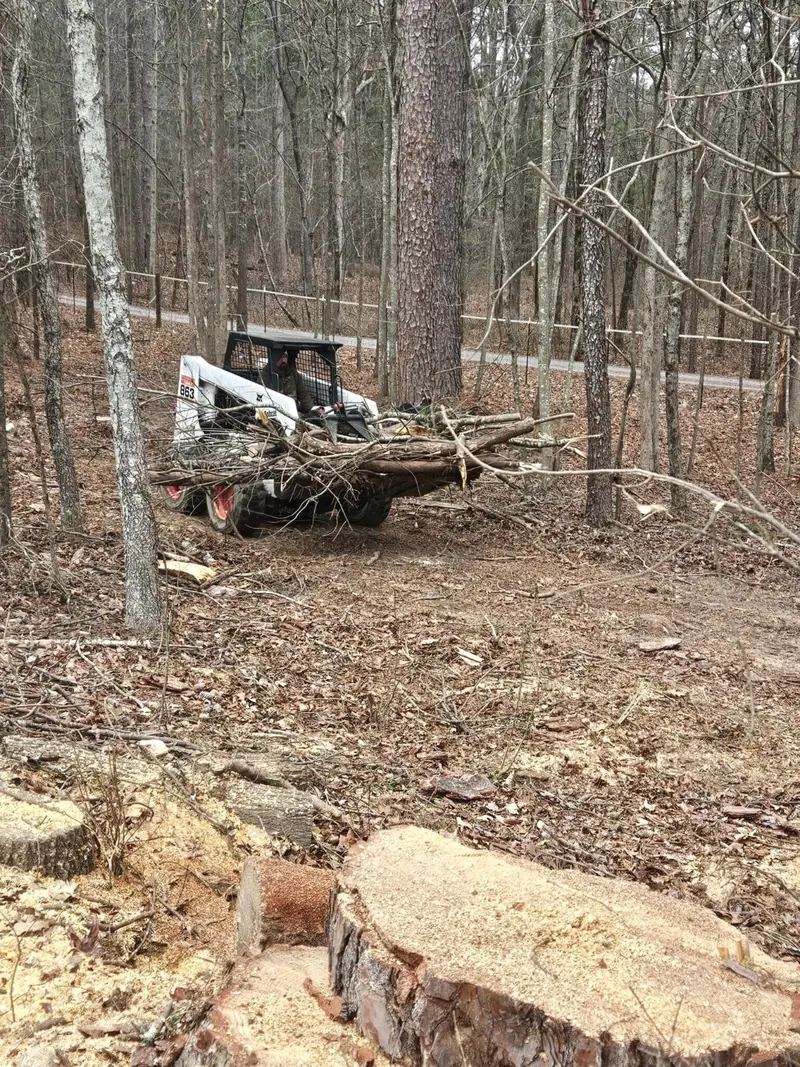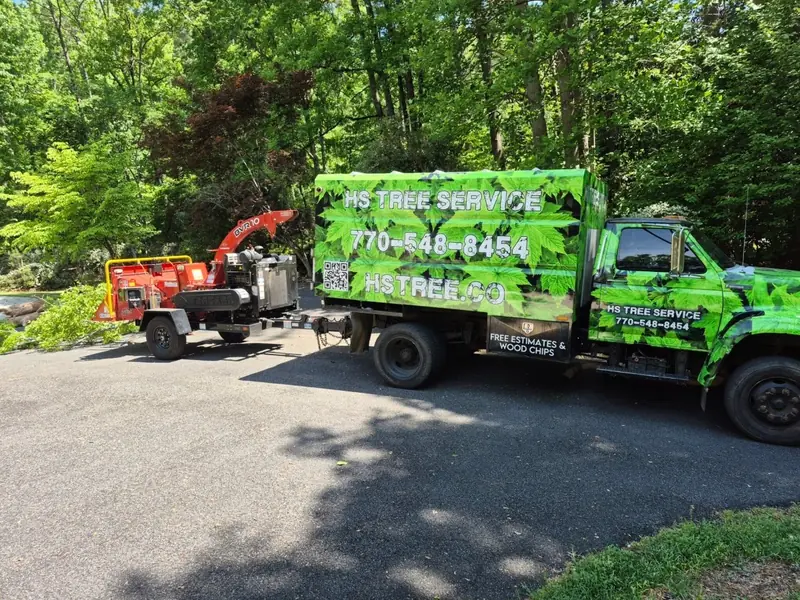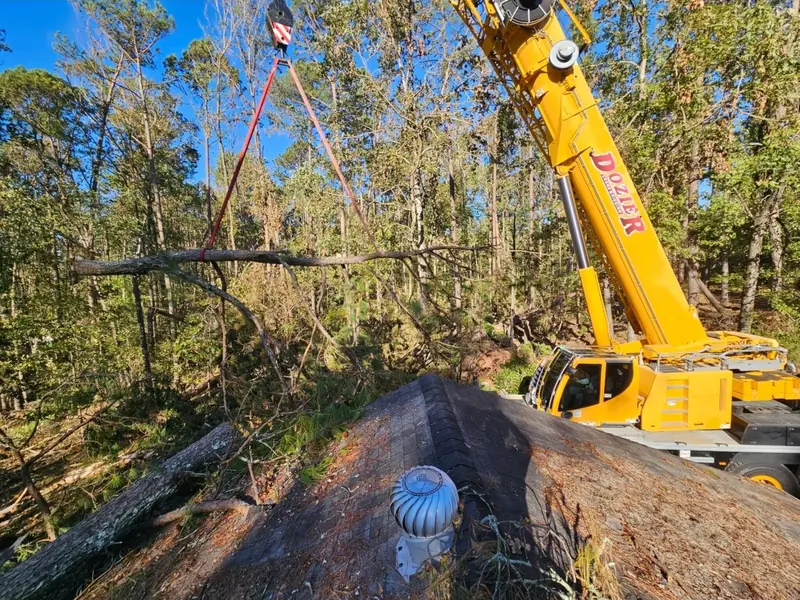
Ten services. One owner-operated crew.

Removal, trimming, storm response and property cleanup. Jump to what you need, or call and describe it.

  • 19+ yearsof hands-on tree work
  • Owner-operatedYou talk to the owner, not a sales team
  • 24-houremergency service for fallen trees
  • Full cleanupLimbs chipped or hauled away

Tree removal and hazards

Trees that need to come down, and trees you're worried about.

Tree Removal

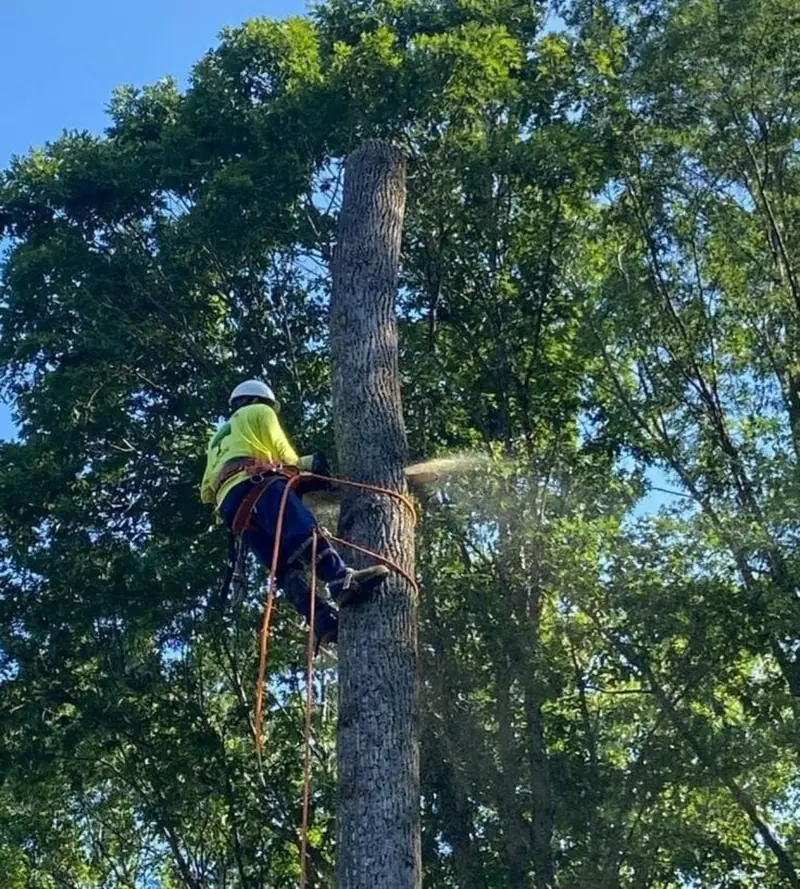
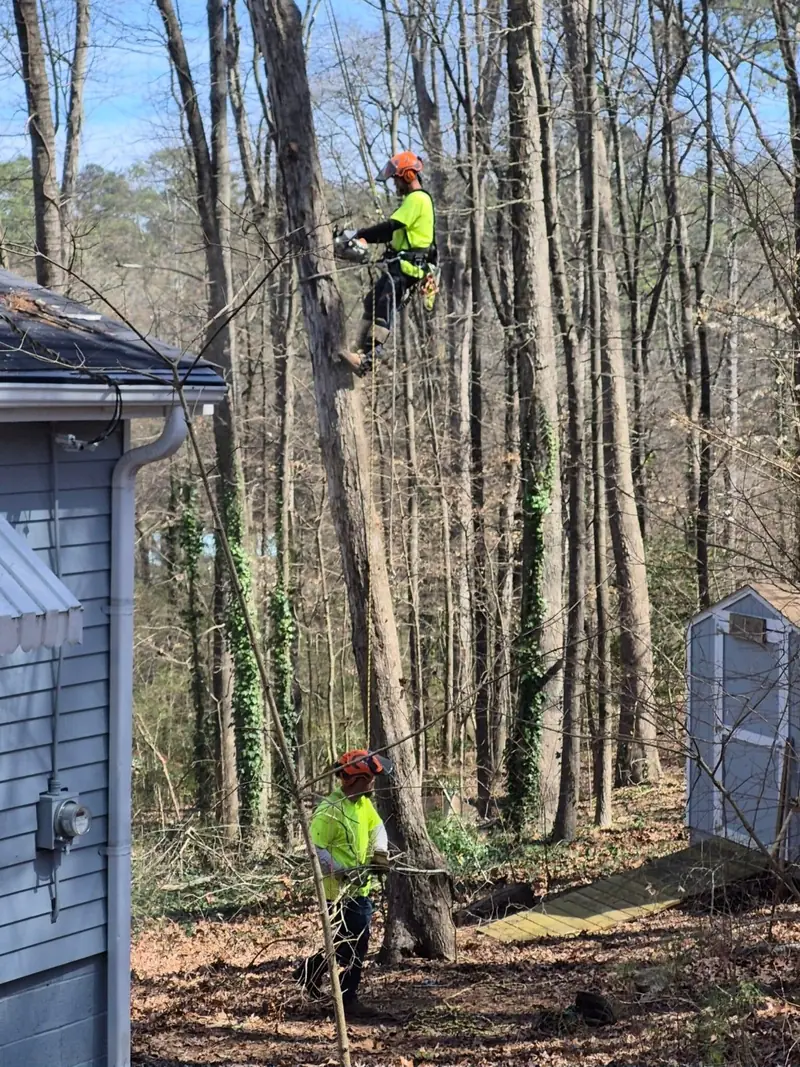
When a tree is dead, failing or simply too close to the house, we take it down in controlled sections and leave the yard clean.

  • The tree is dead or dyingWeak or dying trees can fail without warning.
  • It leans toward the houseA lean, cracked bark or root damage are signs it may need to come down.
  • It's too close to a structureRoots and limbs crowding a roof, foundation or driveway.
  • You have plans for the spaceA new patio, addition or simply more light in the yard.
  1. 1Property evaluation. We look at the tree, what's around it and how we can get equipment in, then plan the safest way to take it down.
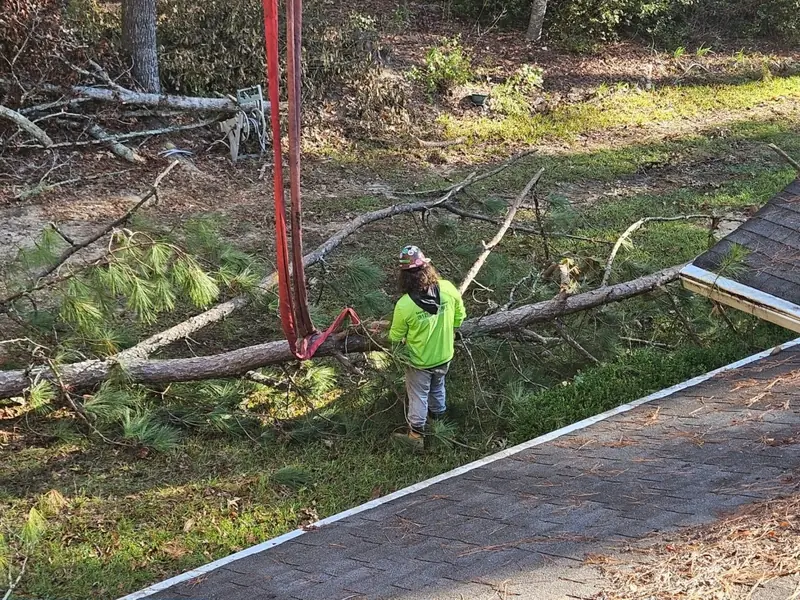
  2. 2Controlled removal. Depending on space, the tree comes down whole or in sections. We use climbing, rigging and bucket trucks, and crane-assisted removal when a job calls for it.
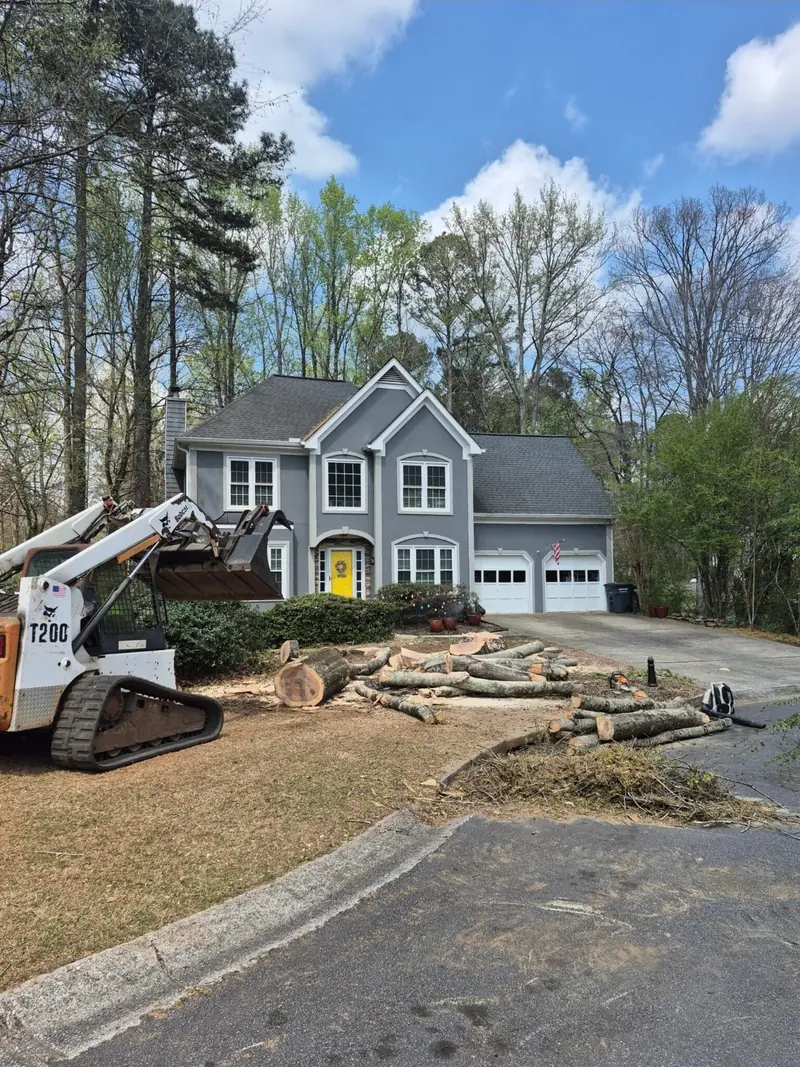
  3. 3Cleanup and hauling. Limbs are chipped, wood and debris are hauled off, and the work area is cleaned up. Tell us if you'd like to keep any wood.
Should I remove the tree or have it trimmed?

If a tree is dead, badly damaged, leaning or structurally unstable, removal is usually the safe choice. Trimming can't fix decay or a failing root system. If trimming will solve the problem, we'll tell you.

How long does a removal take?

Most removals take anywhere from a few hours to a full day. Large trees, tight access or nearby structures can add time, and we'll tell you what to expect when we see the job.

Will it damage my yard?

We use controlled methods and take steps to protect lawns and landscaping. Some minor surface disruption can happen, and we'll point out anything to expect before we start.
Hazardous Tree Removal

Not every worrying tree has to come down. We look at structure, roots and distance to your home, tell you what we see, and remove it carefully if it's a real risk.

  • Leaning or unstable treesA new lean or lifting soil at the base can mean the roots are failing.
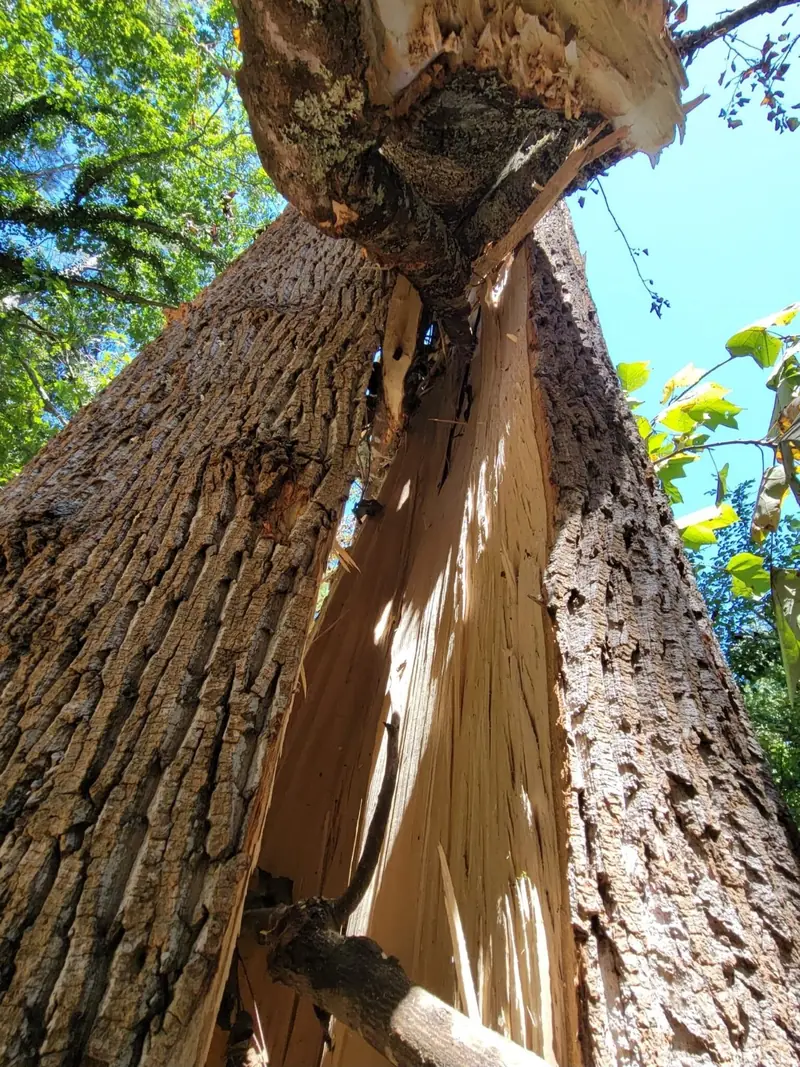
  • Cracked or split trunksSplits open up further in wind and can fail suddenly.
  • Dead or diseased treesDead wood turns brittle and drops large limbs.
  • Large dead limbs over the houseOverhanging deadwood is a common source of roof damage.
  1. 1On-site evaluation. We check the trunk, roots, lean and how close the tree is to your home, driveway and power lines.
  2. 2Controlled removal. Hazardous trees are usually taken down in sections, using rigging and controlled lowering.
  3. 3Cleanup and restoration. Wood, brush and debris are hauled away. Chipping and stump grinding are available.
What makes a tree hazardous?

Structural weakness, decay, a lean, cracks, root damage or large dead limbs, especially when the tree is close to a home or driveway.

Can a hazardous tree ever be saved?

Sometimes. Pruning or support may help a tree with limited problems. Severe decay or root failure usually means removal. We'll tell you which we see.

Do you handle hazardous trees as emergencies?

Yes. If a hazardous tree is actively failing, we offer 24-hour emergency service.

Storm and emergency

When a tree is already down or about to be.

Emergency Tree Removal

For trees on a roof, across a driveway or hanging over a walkway, we offer 24-hour emergency service and take the hazard apart safely.

  • A tree is on your home, garage, car or fenceThe longer it sits, the more weight and water it puts on what it's resting on.
  • A limb or trunk is cracked and hangingWood under tension can drop or shift without warning.
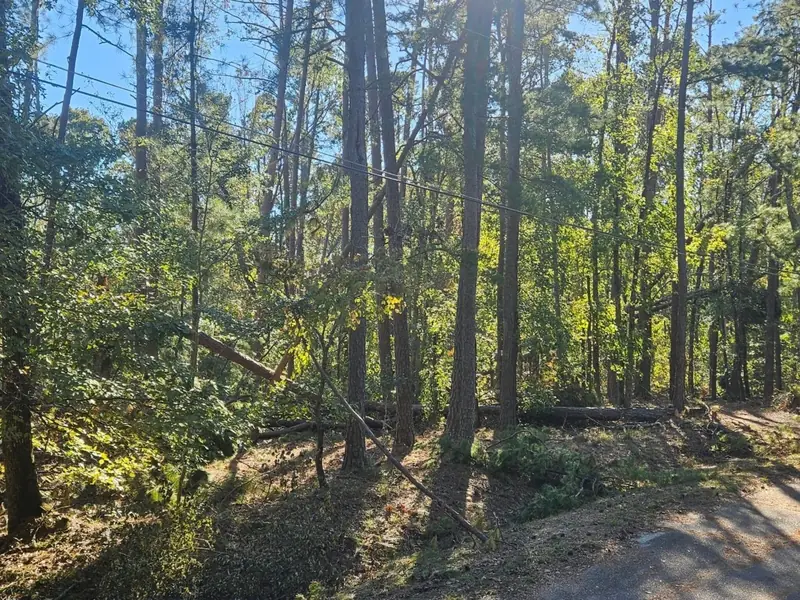
  • A tree is leaning after a stormEspecially near power lines or the house.
  • Your driveway or road is blockedWe clear access first so you can get in and out.
  1. 1You call, any hour. Tell us what's down and where. Photos help if you can take them safely.
  2. 2On-site evaluation. We check structural risk, tension in the wood and how close the tree is to power lines, then decide the safe order of work.
  3. 3Removal and cleanup. Fallen trees and limbs are rigged and removed in sections where needed, then chipped or hauled. Follow-up trimming or stump work can be scheduled after.
What counts as an emergency?

A tree on your home, blocking access, threatening to fall, or tangled in utility lines. Storm-damaged or split trees near structures also qualify. If you're not sure, call and describe it.

Do you really answer at night?

Yes. HS Tree Service offers 24-hour emergency service, day or night, after storms or sudden failures.

How quickly can you get here?

It depends on the weather and how many calls come in after a storm. Active hazards and blocked access are handled first. We'll give you an honest estimate when you call.

Storm Damage Cleanup

Georgia storms snap limbs and uproot trees. We remove what's dangerous, clear the debris and leave the property usable again.

  • Trees or limbs on the roofEvery hour it stays there adds stress and lets water in.
  • Debris across the yardPiles of limbs trap moisture and attract pests.
  • Damaged trees still standingStorm-cracked trees often become unstable later.
  • Blocked driveways and walkwaysWe clear access first.
  1. 1Damage assessment. We check tension in fallen wood, impact on structures and ground stability before planning the work.
  2. 2Controlled removal. Trees and limbs are taken off carefully, one managed cut at a time, so nothing else gets damaged.
  3. 3Cleanup and restoration. Debris is chipped or hauled, brush is removed, and stump grinding is available for uprooted trees.
What does storm cleanup include?

Fallen tree removal, limb and debris removal, hauling, and where needed, hazardous tree removal and stump grinding.

How soon should storm debris be removed?

As soon as it's safe. Waiting can lead to more damage, pests and trees that become more unstable.

Is it safe to clean up storm damage myself?

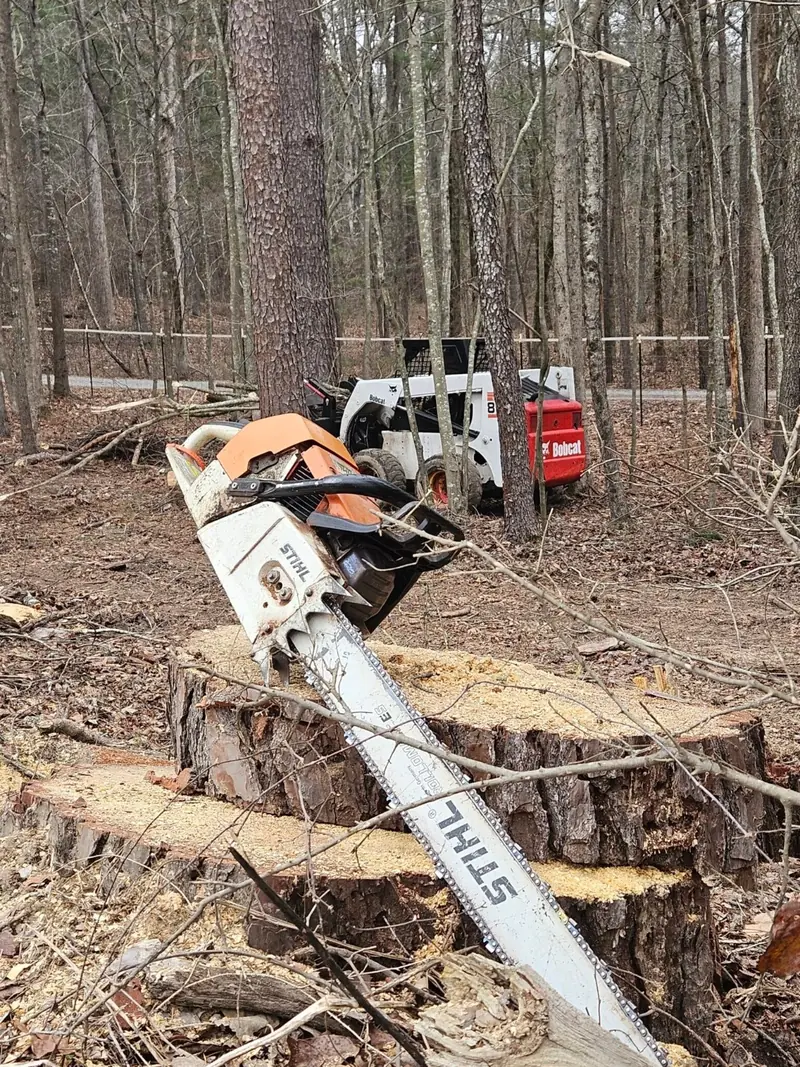
Small brush, yes. Trees and large limbs under tension can shift without warning, and people get hurt every year using chainsaws on storm wood.

Routine tree care

Keep healthy trees healthy and limbs off the house.

Tree Trimming & Pruning

Regular trimming removes dead and weak limbs, improves structure and keeps branches clear of your house before they become a removal.

  • Branches scraping the roofLimbs over the house drop debris and can damage shingles in wind.
  • Dead or hanging limbsDeadwood is the first thing to fall in a storm.
  • Too much shade or poor structureThinning lets in light and air and corrects weak growth.
  • Storm preparationRemoving weak limbs reduces wind load before storm season.
  1. 1Evaluate the tree. We look at structure, canopy density and growth patterns for your tree's species and location.
  2. 2Precise trimming. Dead, weak and overextended limbs come out with proper cuts that support healthy growth.
  3. 3Clean up and haul. Cut limbs are chipped or hauled away.
How often should trees be trimmed?

Most trees benefit from trimming every 1 to 3 years, depending on species, growth rate and location.

What's the difference between trimming and pruning?

Trimming mainly manages shape and growth. Pruning focuses on tree health, removing dead, diseased or damaged wood.

Can trimming save a tree from removal?

Often, yes. Removing problem limbs early can keep a tree safe and healthy.

Property cleanup and clearing

Stumps, brush, debris and overgrown land.

Stump Grinding & Removal

Old stumps get in the way of mowing, trip people up and invite pests. We grind them several inches below grade so you can level and replant.

  • Mowing around itStumps damage mowers and leave uneven ground.
  • Tripping hazardsEspecially for kids and older family members.
  • Regrowth and pestsSome stumps sprout again. Decaying wood attracts insects.
  • New plans for the spaceBeds, patios, sod or fencing.
  1. 1Evaluate the stump and area. We check size, location and anything nearby like fences, driveways and beds.
  2. 2Grind below the surface. The stump is ground into small chips several inches below grade.
  3. 3Clean up and restore. We level the area. You can keep the chips as mulch or have them hauled off.
How deep do you grind?

Several inches below the soil surface.

Can grass grow back where the stump was?

Yes, once the area is filled with soil and seeded.

Grinding or full removal?

Grinding is right for most homes. Full removal is for construction or utility work where roots have to come out.

Bush Hogging & Forestry Mulching

Bush hogging handles tall grass and light brush. Forestry mulching grinds thick brush and small trees into mulch right where they stand.

  • Fields and property lines got away from youTall grass, weeds and light brush.
  • Thick brush and saplingsDense growth that a mower won't touch.
  • Access and visibilityOpen up paths, views and fence lines.
  • Pests and fire riskLess cover for pests and less dry fuel in dry spells.
  1. 1Property evaluation. We walk the area and decide where to bush hog and where to mulch.
  2. 2Targeted clearing. Open areas are cut. Dense sections are mulched.
  3. 3Clean, usable results. Mulch is spread evenly on site. Hauling and full land clearing are available if needed.
What's the difference between bush hogging and forestry mulching?

A bush hog cuts lighter growth down to ground level. A forestry mulcher grinds dense brush and small trees into mulch.

Can you mulch large trees?

Large trees need to be removed first. Mulching handles brush and small trees.

Will it grow back?

Regrowth slows down, but some routine maintenance is still needed.

Hauling

From a pile of brush to full-length logs, we load it, haul it and leave the yard clean. No trailer rentals, no weekend of trips to the dump.

  • Leftover debris from another jobDIY trimming, a downed limb or old piles.
  • After a stormStorm debris is prioritized.
  • Large logs you can't moveMoved with professional equipment.
  • Pests and hazardsOld piles attract pests and create tripping hazards.
  1. 1Evaluate the debris. We look at how much there is and how to load it without hurting the lawn or driveway.
  2. 2Load and transport. Debris is loaded and carried off safely.
  3. 3Responsible disposal. Material is disposed of, recycled or reused when possible.
What kinds of debris do you haul?

Branches, logs, brush, leaves and other organic yard debris.

Do I need to pile it up first?

No, but piling it can speed things up.

Can hauling be added to another service?

Yes. It's often paired with removal, trimming or storm cleanup.

Brush Chipping

Chipping processes branches on site, so a yard full of brush becomes a manageable pile of wood chips. Keep them for mulch or have them hauled.

  • Big brush pilesFaster than stacking and hauling whole limbs.
  • After trimming or removalClean up the limbs from any tree job.
  • After a stormStorm limbs chipped and cleared.
  • You want free mulchKeep the chips for beds and paths.
  1. 1Evaluate the debris. We look at the amount and size of material.
  2. 2Process the material. Limbs and brush go through professional chipping equipment.
  3. 3Final cleanup. Chips stay as mulch or get hauled away, your choice.
What can be chipped?

Most branches, limbs and brush. Very large logs are handled separately.

Can I keep the chips?

Yes.

Is chipping faster than hauling?

Often, yes.

Land Clearing

A new driveway, an addition, pasture or just a yard you can use again. We clear trees, brush and stumps, keep the trees you want, and leave the ground ready.

  • New construction or a drivewayA clean, stable base for the work that follows.
  • Pasture or more usable landOvergrown fence lines and wooded edges.
  • Years of overgrowthVolunteer trees and brush that took over the yard.
  • Fire mitigationDead trees and underbrush near structures.
  1. 1Property evaluation. We walk the site, talk through your plans and mark the trees you want to keep.
  2. 2Clearing and removal. Saplings to large trees come out, along with brush. Bush hogging, mulching and chipping are used where they fit.
  3. 3Cleanup and finishing. Debris is hauled, stumps are ground or removed, and the surface is leveled.
What kinds of projects is land clearing for?

New construction, driveways, landscaping, overgrown lots and cleanup after storms or long neglect.

Do you remove roots and stumps?

Yes, by grinding, removal or full root extraction.

How long does it take?

Small jobs may take a day. Larger ones can take several days.

Not sure what you need?

Describe the tree and we’ll tell you what we’d do, and why.